İnsanlar neden pahalıyı seçer sorusu tüketicinin çoğu zaman yalnızca ürünün işlevine değil; güven, algılanan kalite, düşük risk, statü, kimlik ve marka deneyimine ödeme yaptığı şeklinde açıklanabilir. Yüksek fiyat ürünün mutlaka daha iyi olduğunu kanıtlamaz. Ancak marka güçlü bir değer sunuyorsa fiyat, kalite ve güven sinyali olarak yorumlanabilir. NeuroPiq bakış açısıyla pahalı ürün tercihi, beynin belirsizliği azaltma, beklenen ödülü yükseltme ve seçimi kişisel kimlikle uyumlu hâle getirme çabasının sonucudur. İçerik, yüklediğiniz nöropazarlama çalışmasındaki marka bağlılığı, kalite algısı, ödül sistemi ve göz izleme bulguları temel alınarak yeniden yapılandırılmıştır.
İnsanlar Neden Pahalıyı Seçer? Kararın Temel Nedenleri
Klasik ekonomik yaklaşım, tüketicinin seçenekleri karşılaştırarak en düşük maliyetli ve en yüksek faydalı ürünü seçeceğini varsayar. Gerçek satın alma davranışı ise bütçe hesabının yanında duygu, geçmiş deneyim, sosyal çevre ve marka algısından da etkilenir.
Tüketici pahalı bir ürünü tercih ederken çoğu zaman şu değerlendirmeleri yapar:
Ürün daha kaliteli mi?
Yanlış seçim riskini azaltıyor mu?
Marka güven veriyor mu?
Ürün kişinin kimliğine ve sosyal konumuna uyuyor mu?
Bu nedenle insanlar neden pahalıyı seçer sorusunun cevabı yalnızca gelir düzeyinde değildir. Aynı kişi bir kategoride ekonomik ürünü seçerken başka bir kategoride daha yüksek bedel ödeyebilir. Farkı yaratan, ürünün tüketici için taşıdığı önem ve algılanan risktir.

Beyin Fiyatı Neden Kalite Sinyali Olarak Görür?
Tüketici her ürünün üretim sürecini, malzeme kalitesini ve uzun vadeli performansını ayrıntılı biçimde inceleyemez. Bu nedenle karar verirken marka adı, kullanıcı yorumları, ambalaj, garanti ve fiyat gibi kolay erişilebilen işaretlerden yararlanır.
Algılanan kalite, ürünün gerçek teknik kalitesinden farklı olabilir. Tüketicinin zihninde oluşan üstünlük değerlendirmesidir. Fiyat da yeterli bilgi bulunmadığında bu değerlendirmenin bir parçasına dönüşebilir.
İnsanlar neden pahalıyı seçer denildiğinde “Pahalı olan kesinlikle iyidir.” sonucuna varılmamalıdır. Yüksek fiyat bazı koşullarda kalite beklentisini yükseltebilir. Ancak fiyat; güçlü ürün bilgisi, tutarlı marka deneyimi ve güvenilir hizmetle desteklenmediğinde gereksiz pahalı olarak algılanabilir.
Fiyatın oluşturduğu sinyal | Tüketicinin olası yorumu |
|---|---|
Yüksek fiyat ve güçlü marka | Kaliteli, güvenilir ve düşük riskli olabilir. |
Yüksek fiyat ve zayıf kanıt | Gereksiz pahalı veya abartılı olabilir. |
Düşük fiyat ve açık fayda | Erişilebilir ve avantajlı olabilir. |
Beklenenden çok düşük fiyat | Kalite veya güven konusunda şüphe yaratabilir. |
Dopamin ve Beklenen Ödül Kararı Nasıl Etkiler?
Satın alma sırasında beyin yalnızca mevcut ürünü değerlendirmez; ürünü kullandıktan sonra elde edeceği sonucu da tahmin eder. Beklenen rahatlık, statü, haz veya güven, ürünün algılanan değerini yükseltebilir.
Kaynak çalışmada dopamin sistemi, beklenen sonuç ile gerçekleşen sonuç arasındaki farkın değerlendirilmesi ve ödül beklentisinin güncellenmesiyle ilişkilendirilir. Satın alma isteği de haz ve ödül süreçleriyle birlikte ele alınır.
Bu çerçevede insanlar neden pahalıyı seçer sorusuna dengeli yanıt şudur: Tüketici pahalı üründen daha yüksek bir deneyim bekleyebilir. Beklenti yükseldiğinde satın alma daha anlamlı hissedilebilir. Ancak bu durum, her pahalı ürünün otomatik olarak daha fazla haz yaratacağı anlamına gelmez.
Statü ve Kimlik Pahalı Ürün Tercihini Nasıl Açıklar?
Tüketim yalnızca bir ihtiyacı karşılamak değildir. Seçilen marka; kişinin kendisini nasıl gördüğünü, başkalarına nasıl görünmek istediğini ve hangi gruba ait hissettiğini de gösterebilir.
Tüketiciler ürün ve markaları yalnızca işlevsel fayda için değil, sembolik değer ve kimlik oluşturma amacıyla da tercih edebilir. Marka, kişinin benliğinin bazı yönlerini ifade eden bir araca dönüşebilir.
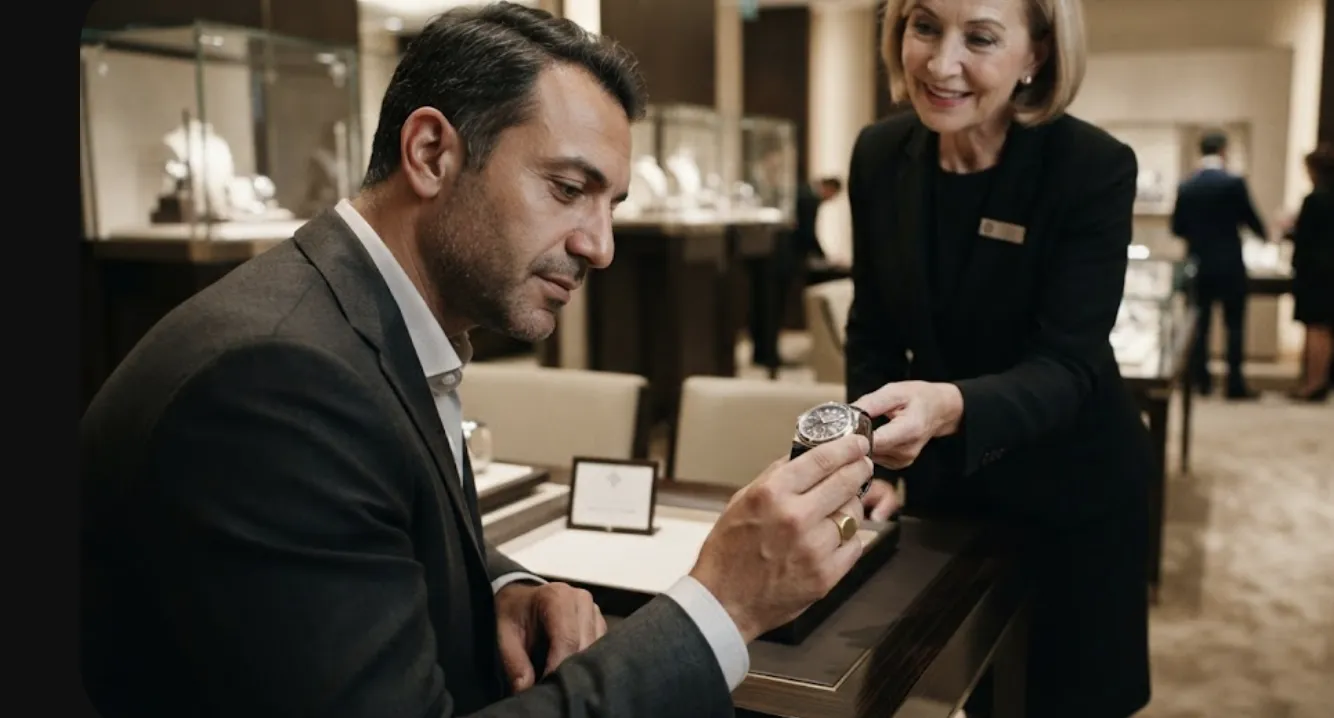
Bu nedenle insanlar neden pahalıyı seçer sorusu özellikle moda, otomobil, teknoloji ve kişisel bakım kategorilerinde kimlik üzerinden açıklanabilir. Tüketici yalnızca ürün değil; seçkinlik, başarı, aidiyet veya kişisel zevk mesajı da satın alır.
Algılanan Risk ve Güven Fiyatı Nasıl Değiştirir?
Satın alma sırasında tüketici “Ürün beklentimi karşılamazsa ne olur?” sorusunu açıkça ya da dolaylı biçimde değerlendirir. Ürün teknik, uzun süre kullanılacak veya yüksek bedelliyse yanlış seçim riski daha önemli hâle gelir.
Düşük fiyat bazı tüketiciler için fırsat yaratırken bazıları için kalitesizlik, kısa kullanım ömrü veya yetersiz destek ihtimalini çağrıştırabilir. Yüksek fiyat ise güçlü garanti, olumlu geçmiş deneyim ve iyi hizmetle birleştiğinde güven sinyali olabilir.
İnsanlar neden pahalıyı seçer sorusunun risk açısından cevabı, pahalı seçeneğin her zaman daha güvenli olması değildir. Tüketici pahalı ürünü daha öngörülebilir bulduğu ve sorun yaşama ihtimalini daha düşük algıladığı için tercih edebilir.
Marka Bağlılığı Fiyat Hassasiyetini Azaltır mı?
Marka bağlılığı; tüketicinin rakipler fiyat, kampanya veya garanti avantajı sunsa bile alıştığı markayı tercih etmeye devam etmesiyle açıklanır. Güven, memnuniyet, geçmiş deneyim, algılanan değer ve duygusal bağ bu bağlılığın oluşmasında rol oynar.
Güçlü marka bağlılığı fiyatı ortadan kaldırmaz; tüketicinin fiyatı yorumlama biçimini değiştirir. Normalde pahalı görünen ürün, güvenilen markada daha mantıklı ve düşük riskli algılanabilir.
İnsanlar neden pahalıyı seçer sorusuna marka açısından bakıldığında tüketici yalnızca yeni ürünü değil, geçmişte aldığı sorunsuz deneyimin devamını satın alır. Fiyat farkı, belirsizlikten kaçınmak için ödenen bir güven bedeline dönüşebilir.
Çerçeveleme Etkisi Pahalı Algısını Nasıl Değiştirir?
Bir ürünün pahalı veya ucuz görülmesi karşılaştırma bağlamına bağlıdır. Tüketici ilk gördüğü fiyatı referans noktası olarak kullanabilir ve sonraki seçenekleri buna göre değerlendirebilir.
Üç paket sunulduğunda en yüksek fiyatlı seçenek, orta paketi daha makul gösterebilir. Ancak bu yöntem yalnızca seçenekler arasındaki fark açık ve gerçekse güven oluşturur.
İnsanlar neden pahalıyı seçer sorusu çerçeveleme açısından şöyle açıklanabilir: Tüketici tek başına rakama değil, seçenekler arasındaki değer farkına bakar. Daha pahalı seçenek anlamlı bir fayda sunuyorsa fiyat kabul edilebilir hâle gelir.
Markalar Pahalı Ürünün Değerini Nasıl Anlatmalı?
Başarılı markalar yalnızca fiyatı yükseltmez; fiyatın karşılığında alınan değeri görünür hâle getirir. Ürün sayfası analizlerinde sık karşılaşılan hata, teknik özellikleri sıralayıp tüketici faydasını açıklamamaktır.
Özellikle şu ayrıntı değerlendirme sürecini belirgin biçimde kolaylaştırır: Her teknik özelliğin yanında günlük kullanım karşılığı verilmelidir. “Titanyum gövde” yerine “Daha dayanıklı ve uzun ömürlü kullanım” denmesi, tüketicinin fiyatı anlamlandırmasını sağlar.
Strateji | Uygulama |
|---|---|
Değer önerisi | Ürünün çözdüğü problemi ilk ekranda açıklayın. |
Kalite kanıtı | Malzeme, test, garanti ve performans verisi sunun. |
Marka güveni | Destek ve iade süreçlerini görünür kılın. |
Deneyim tasarımı | Satış öncesi ve sonrasında tutarlı kalite sağlayın. |
Fiyat çerçevesi | Paketler arasındaki gerçek fayda farkını gösterin. |
Amaç tüketiciyi daha fazla ödemeye zorlamak değil, yüksek fiyatın hangi somut ve duygusal değerlerle karşılandığını açıkça göstermektir.
Pahalı Ürün Tercihini Etkileyen Yardımcı Kavramlar
Pahalı ürün tercihi; algılanan değer, fiyat psikolojisi, marka güveni, statü tüketimi, marka bağlılığı, satın alma kararı, tüketici davranışları ve çerçeveleme etkisi kavramlarıyla birlikte değerlendirilmelidir.
Fiyatın neden her zaman en çok dikkat edilen alan olmadığını görmek için NeuroPiq’in İnsanlar Fiyata Bakmaz: Nöropazarlama Gerçeği başlıklı içeriğini inceleyebilirsiniz.
İnsanlar neden pahalıyı seçer sorusunun bilimsel çerçevesini genişletmek için nöropazarlama kavramına da göz atabilirsiniz. Nöropazarlama; tüketici kararlarını dikkat, duygu, algı ve biyometrik tepkiler üzerinden inceleyen disiplinler arası bir çalışma alanıdır.
İnsanlar neden pahalıyı seçer sorusunun tek bir cevabı yoktur. Tüketici fiyatı; kalite beklentisi, risk, marka güveni, sosyal kimlik, geçmiş deneyim ve beklenen ödülle birlikte yorumlar. İnsanlar her zaman en ucuz ürünü değil, kendileri için en anlamlı ve güvenli görünen seçeneği satın alır.
NeuroPiq ile Tüketici Değer Algısını Analiz Edin
İnsanlar neden pahalıyı seçer sorusuna yalnızca anket cevaplarıyla yaklaşmak, tüketicinin gerçek dikkat ve karar akışını göstermeyebilir. NeuroPiq, eye tracking ve nöropazarlama analizleriyle kullanıcıların ürün bilgisi, marka, görsel ve fiyat alanlarına nasıl yöneldiğini ortaya çıkarır.
Markanızın yüksek fiyatı hangi değerlerle desteklediğini görmek, tüketicinin güven ve kalite algısını ölçmek ve iletişim stratejinizi verilerle güçlendirmek için NeuroPiq uzman ekibiyle iletişime geçin.