Understanding the emotional and physiological responses people have to a stimulus is particularly important in neuroscience and marketing research. GSR, or Galvanic Skin Response, is a biometric measurement method that helps analyze a person’s level of emotional arousal and physiological changes.
Skin response measurement tracks changes in the electrical conductance of the skin and provides data about responses associated with excitement, stress, attention, or emotional intensity. This method is widely used not only in healthcare and scientific research but also in neuromarketing, user experience analysis, and consumer behavior studies.
At NeuroPiq, we support brands in making better-informed decisions through neuroscience-based solutions designed to better understand users’ automatic and nonconscious responses. In this article, we explain in detail what GSR is, how it works, how GSR is measured, and where it is used.
What Does GSR Mean?
GSR stands for “Galvanic Skin Response” and refers to a method that measures changes in the electrical conductance of the skin to analyze physiological responses associated with the autonomic nervous system.
When the human body encounters an emotional or physical stimulus, the autonomic nervous system may become more active. During this process, sweat gland activity can change, which in turn affects the electrical conductance of the skin.
GSR measurement detects these subtle changes and helps reveal a person’s physiological response to content, a product, an advertisement, or an experience.
Helps measure emotional arousal,
Analyzes changes associated with attention,
Shows physiological responses to different stimuli,
Helps evaluate automatic and nonconscious reactions.
An important point is that GSR does not directly reveal what a person is thinking. Instead, it measures physiological changes in the body associated with arousal.
How Does GSR Work?
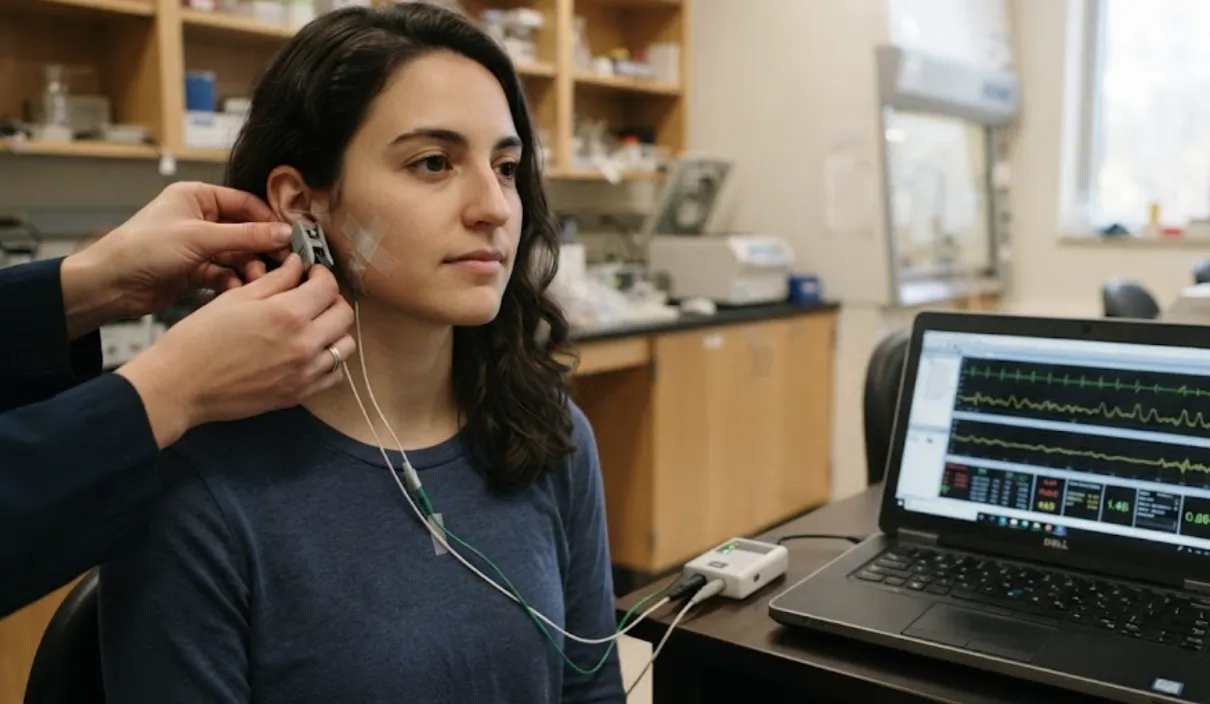
GSR works through sensors that detect changes in electrical conductance on the surface of the skin. During measurement, small sensors are generally placed on areas with a high concentration of sweat glands, such as the fingers or palms.
Depending on the GSR device and measurement method, a very small and safe electrical current or voltage may be used to measure skin conductance. The resulting changes are recorded and analyzed.
The process generally consists of the following stages:
Stage | Description |
|---|---|
Sensor Placement | Electrodes are properly positioned on the surface of the skin. |
Data Collection | Changes in skin conductance are recorded in real time. |
Stimulus Presentation | The user is exposed to visuals, videos, advertisements, or different experiences. |
Analysis Process | The collected data is evaluated using specialized software. |
For example, when a user experiences increased emotional arousal while watching a particular advertisement, the physiological response can be analyzed through skin response measurement data.
How Is GSR Measured?
GSR measurement is generally performed as a safe and non-invasive method. The measurement process is designed to cause minimal discomfort and consists of several basic stages.
Preparation Process
First, the measurement environment is prepared. Helping the participant feel comfortable and behave naturally can improve the quality of the collected data.
Important factors include:
Keeping the measurement environment calm,
Controlling external stimuli,
Ensuring proper sensor contact,
Allowing the participant to become familiar with the process.
In our experience, briefly explaining the measurement process to participants beforehand can support more natural behavior and contribute to better data quality.
Sensor Placement
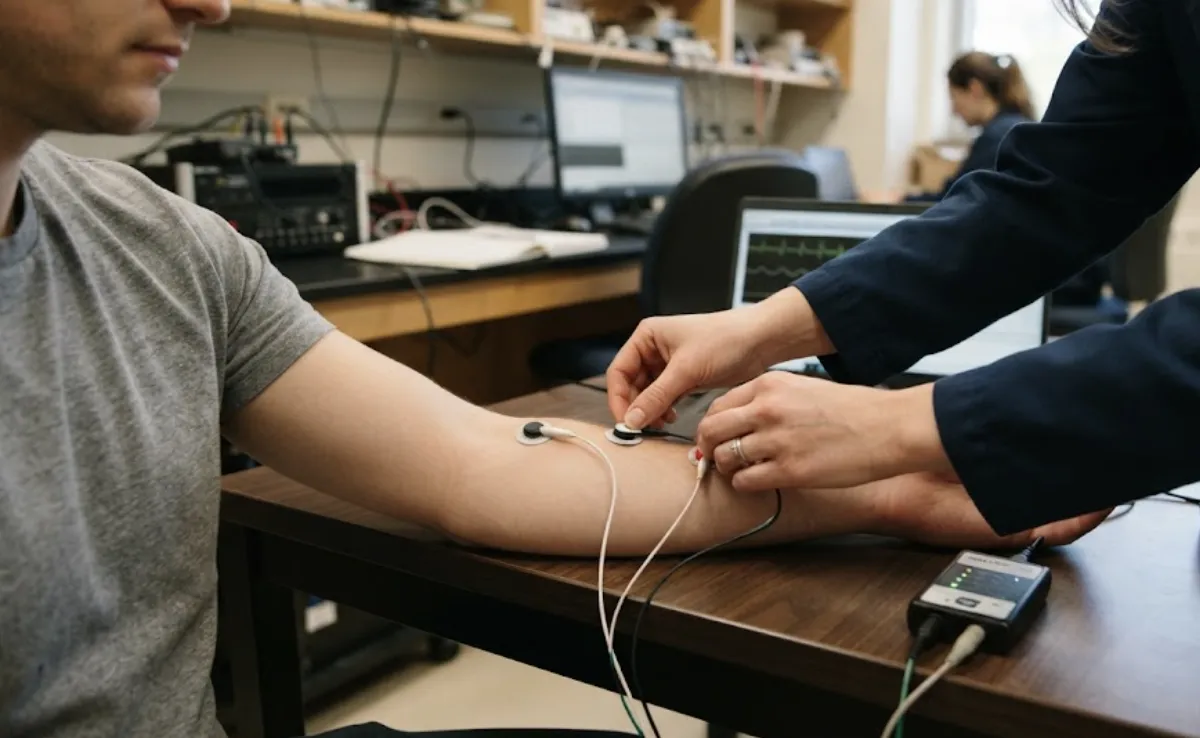
GSR sensors are usually placed on areas with a high density of sweat glands, such as the fingertips or palms.
These sensors are used to:
Measure skin conductance,
Detect electrical changes,
Monitor physiological arousal levels.
Data Recording Process
Participants may then be exposed to different types of stimuli, including:
Advertisements,
Visuals,
Product experiences,
Video content.
Physiological changes occurring during exposure to these stimuli are recorded for analysis.
Why Is GSR Used?
GSR helps researchers understand emotional and physiological responses that people may not consciously recognize or may find difficult to express verbally.
Its main areas of use include:
Area of Use | Description |
|---|---|
Neuromarketing | Analyzes consumers’ physiological responses to advertisements and brand-related stimuli. |
User Experience | Measures physiological responses during interaction with digital products and experiences. |
Psychology Research | Examines emotional arousal and stress-related responses. |
Advertising Testing | Evaluates changes in arousal and engagement during exposure to content. |
Particularly in neuromarketing research, GSR is an important tool for understanding not only what consumers say but also the physiological responses that occur while they experience different stimuli.
What Is the Role of GSR in Neuromarketing?
Today, brands need to understand not only what consumers verbally report but also the physiological responses that occur during decision-making and brand experiences.
At this point, GSR provides valuable data by measuring physiological changes that occur while consumers interact with a product, advertisement, or brand experience.
In traditional research methods, users may sometimes struggle to express their reactions accurately or may provide answers that do not fully reflect their automatic responses. GSR can complement these methods by measuring physiological arousal beyond conscious verbal responses.
In neuromarketing research, GSR can help evaluate:
Emotional arousal created by advertising content,
Physiological responses during product or brand experiences,
Changes in engagement during specific moments,
Moments associated with increased excitement or interest.
For example, during an advertisement test, GSR data can help identify scenes in which viewers show stronger physiological arousal. Brands can then use these findings alongside other research data to better understand which parts of the content generate stronger responses and optimize their communication strategies accordingly.
What Are the Differences Between GSR and Other Biometric Measurement Methods?
In neuroscience and user research, combining different biometric measurement methods can provide a more comprehensive understanding than relying on a single source of data.
While GSR primarily measures changes associated with physiological arousal, other methods provide information about different aspects of user response.
Measurement Method | Data Measured | Main Purpose |
|---|---|---|
GSR | Skin conductance and physiological arousal | Analyze changes in arousal and response intensity |
Eye Tracking | Eye movements and gaze points | Identify which areas attract visual attention |
EEG | Electrical brain activity | Examine cognitive processes and changes associated with attention |
Facial Coding | Facial expressions | Analyze observable emotional expressions and reactions |
When these methods are used together, user behavior and responses can be evaluated from multiple perspectives.
GSR Solutions with NeuroPiq
Reliable measurement technologies are important for brands and researchers seeking to analyze user behavior more accurately. GSR technology can provide valuable physiological data in advertising tests, user experience research, and neuromarketing projects, helping brands make more informed decisions.
To learn more about the neuroscience solutions offered by NeuroPiq, you can contact our expert team.