The simplest answer to the question “What is a logo?” is that a logo is a symbol, sign, or design element that visually represents a brand and reflects its identity and values. A logo helps consumers recognize a brand more easily while also playing an important role in trust, perception, and the overall brand experience.
Today, a successful logo is not evaluated only as an aesthetic design. Color usage, shapes, visual hierarchy, and users’ nonconscious responses can influence how a brand is perceived. For this reason, professional logo design analysis processes should focus not only on visual harmony but also on consumer perception.
At NeuroPiq, we develop solutions designed to analyze users’ conscious and nonconscious responses to visual content. In this article, we explain in detail what a logo is, how logo design is created, what makes an effective logo, and why logo design analysis is important.
What Does a Logo Mean?
The question “What is a logo?” is one of the fundamental topics in understanding brand identity. A logo is a visually recognizable brand element that represents a company, product, or service. As one of the first points of communication between a brand and its target audience, a logo helps consumers form a quick perception of the brand.
A logo may consist of:
Symbols or icons,
Colors,
Custom-designed shapes,
Brand name.
A successful logo should not only attract attention but also reflect the brand’s character, industry, and intended message.
For example, technology brands may prefer more modern and innovative design approaches, while luxury brands may use visual elements that communicate trust, exclusivity, and prestige.
Why Is Logo Design Important?
After answering “What is a logo?”, one of the most important topics to consider is the impact of logo design on the brand.
A logo influences the first visual impression consumers form when encountering a brand. A strong logo design can:
Increase brand awareness,
Build a sense of trust,
Create a professional appearance,
Help the brand differentiate itself.
Today, consumers are exposed to a large number of visual messages. For this reason, it is important for brands to develop visual identities that are easy to remember and capable of creating the intended emotional associations.
In our experience, successful logo design should be evaluated not only according to aesthetic appearance but also according to how the target audience responds to it. The perception users form within the first few seconds may influence how they evaluate the brand.

How Is a Logo Designed?
The question “How is a logo designed?” is important for businesses that want to build a professional brand identity.
A successful logo design process generally consists of several key stages.
Brand Analysis
The first stage involves analyzing the brand’s:
Industry,
Target audience,
Brand values,
Competitors,
Communication style.
A logo is not an independent visual element. It is a reflection of the brand’s strategic identity.
Defining the Design Concept
At this stage, the design approach is developed according to the message the brand wants to communicate.
Factors considered may include:
Color psychology,
Perceptual effects of shapes,
Typeface selection,
Visual balance.
A well-defined design concept can help the logo create a stronger and more consistent impression on the target audience.
Design and Testing Process
Prepared logo concepts should be evaluated across different areas of use.
For example, the logo may be tested on:
Websites,
Social media,
Advertising materials,
Mobile screens.
In professional logo design processes, it is important not only for the logo to look attractive but also for it to function effectively across different platforms and sizes.
What Is Logo Design Analysis?
Today, answering “What is a logo?” only from a design perspective is not enough.
To understand the actual impact of a logo on users, brands can use logo design analysis methods. Logo design analysis refers to studies that evaluate how a logo influences user attention, emotional response, and perception.
These analyses may examine:
How long users focus on the logo,
Areas of visual attention,
Perception of colors and shapes,
Whether the brand message is clearly understood.
Analysis supported by neuromarketing approaches can help brands understand not only what users say about a logo but also their natural visual and physiological responses to the design.
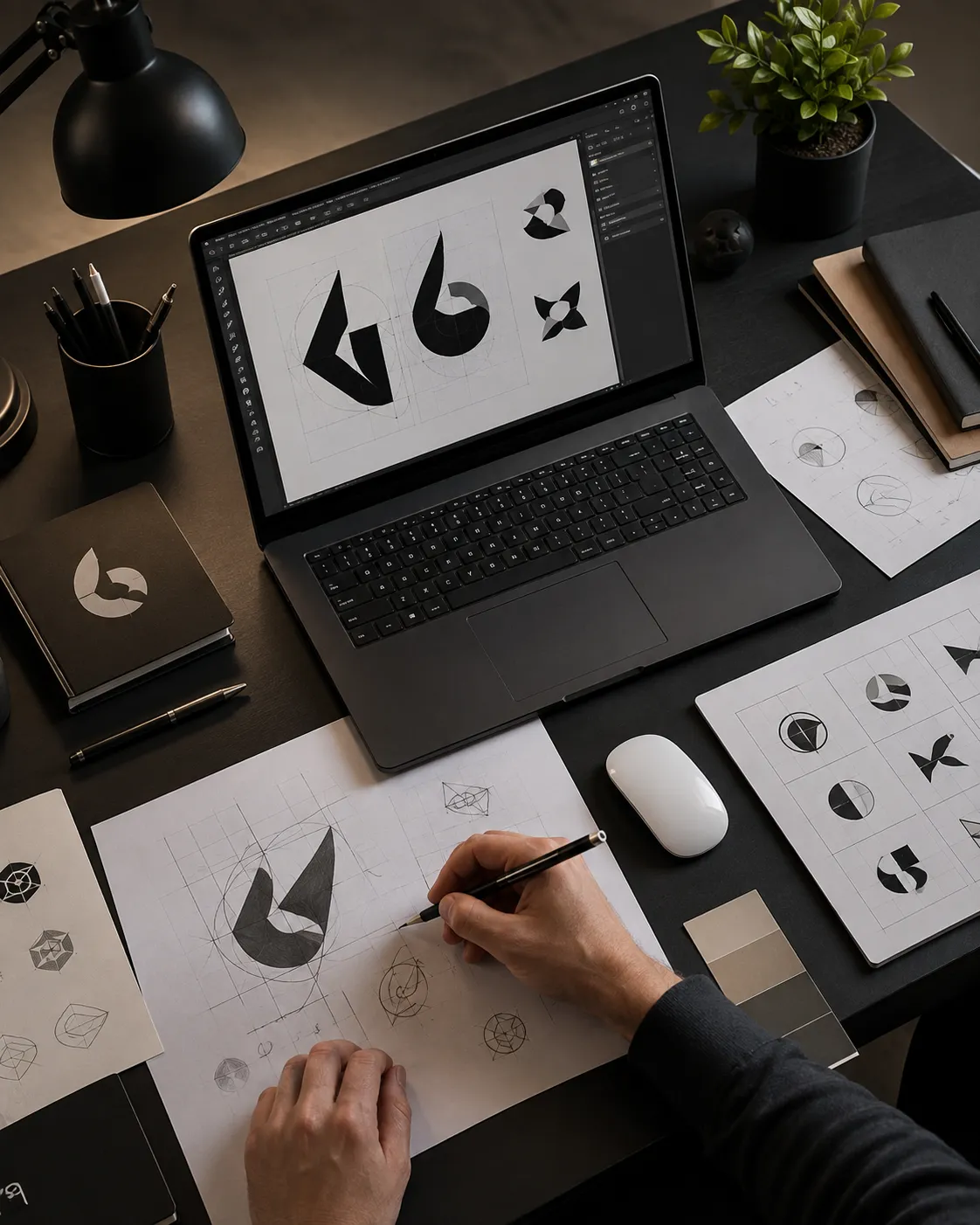
What Is the Role of Colors and Shapes in Logo Design?
An important part of understanding what a logo is involves recognizing the influence of visual elements on consumer perception.
Colors and shapes can contribute to rapid brand evaluations.
For example:
Blue may be associated with trust and professionalism,
Green may communicate naturalness or sustainability,
Rounded forms may be perceived as warmer and more approachable,
Sharp lines may communicate strength and dynamism.
However, these associations are not universal rules. Their meaning can vary depending on culture, industry, context, and brand positioning.
For this reason, visual decisions in logo design should not be random. They should be aligned with the brand’s overall strategy and tested with the intended audience when necessary.
What Is the Relationship Between Logo Design Analysis and Neuromarketing?
Today, creating an eye-catching logo alone is not enough for brands. It is also important to understand how users perceive the logo, which responses it creates, and how it contributes to the relationship between the consumer and the brand.
At this point, logo design analysis helps brands evaluate the impact of their visual identity on consumers.
Key factors that may be examined include:
Visual areas that attract user attention,
Logo memorability,
Emotional associations,
Clarity of the brand message,
The overall visual perception process.
In our experience, one of the most effective ways to understand whether a logo works is to measure real user responses to the design.
Users may consciously report that they like a design while their visual attention or other behavioral responses reveal additional factors that influence how the brand is perceived.
Why Is Logo Design Analysis Important?
For brands researching “What is a logo?”, one important point is understanding that a logo is not merely a visual symbol. It is an important part of overall brand perception.
Logo design analysis can help brands:
Understand the design’s impact on the target audience,
Build a stronger brand identity,
Improve visual attention,
Evaluate whether the brand message is communicated effectively.
Analysis can be especially valuable when creating a new logo or redesigning an existing one.
Evaluating user responses before making a major logo change can help brands reduce uncertainty and protect the connection they have already established with their target audience.
What Are the Characteristics of a Successful Logo?
An effective logo should have several fundamental characteristics.
Characteristic | Description |
|---|---|
It Should Be Simple and Clear | Complex designs may make it difficult for users to recognize and understand a logo quickly. Successful logos should be memorable, scalable, and capable of delivering a clear visual message. |
It Should Reflect the Brand | A logo should not be designed only for aesthetic appeal. It should communicate the brand’s identity and values. Brand values, target audience, and industry expectations should be considered throughout the design process. |
It Should Work Across Different Platforms | Logos are used on websites, mobile applications, social media platforms, digital advertisements, and printed materials. Therefore, a logo should remain recognizable and effective across different formats and sizes. |
To create a successful logo, aesthetic appearance should be considered together with target audience expectations, brand values, and users’ visual responses.
Logo Design Analysis Solutions with NeuroPiq
Logo design analysis should be evaluated not only from a design perspective but also from the perspective of user perception.
At NeuroPiq, we provide analytical solutions that help brands better understand user behavior and perceptual responses within visual communication.
Through logo design analysis, factors such as the following can be evaluated:
Users’ attention responses to the logo,
Visual perception points,
Emotional responses,
How the brand message is perceived.
This approach allows brands to shape design decisions based not only on aesthetic preferences but also on measurable user data.
To learn more about logo design analysis, you can contact our expert team.